Lebanon · 2024-2026
Solid Waste Master Plans for Lebanon's Coastal Zones (UN-Habitat ReMaL)
Location
Coastal Lebanon, from Tripoli to Saida, Lebanon
Client
UN-Habitat
Period
2024-2026
Sector
Solid Waste Management
Scope of Services
- Desk review
- Waste characterisation and generation assessment
- Plastic leakage assessment (WaCT and WFD)
- Local Operational Master Plans
- Cost recovery plan
- Awareness and communication materials
- Monitoring and evaluation framework
Solid Waste Master Plans for Lebanon's Coastal Zones (UN-Habitat ReMaL)
The ReMaL project, funded by Germany's Federal Ministry for the Environment, Nature Conservation and Nuclear Safety (BMUV) and implemented by UN-Habitat, aims to reduce marine litter in Lebanon by supporting coastal Unions of Municipalities and national authorities in implementing Integrated Solid Waste Management Law No. 80/2018.
Between 2024 and 2026, Libanconsult prepared Local Operational Master Plans (LOMPs) under three contract lots covering six coastal service zones and ten Unions of Municipalities, from Tripoli and Minieh in the north to Saida and Zahrani in the south. The assignment was carried out under UN-Habitat's supervision, in coordination with the Wuppertal Institute.
The three lots covered the following service zones:
Lot 1: SZ2 North 1 (Al Fayhaa and Minieh) and SZ4 North 3 (Batroun and Koura).
Lot 2: SZ5 Keserwan-Jbeil (Keserwan El Ftouh and Caza Jbeil) and SZ7 Baabda (Dahia El Janoubiya).
Lot 3: SZ8 Aley-Chouf (Northern Iqlim Al Kharroub) and SZ9 Saida-Jezzine (Saida-Zahrani and Sahil El Zahrani).
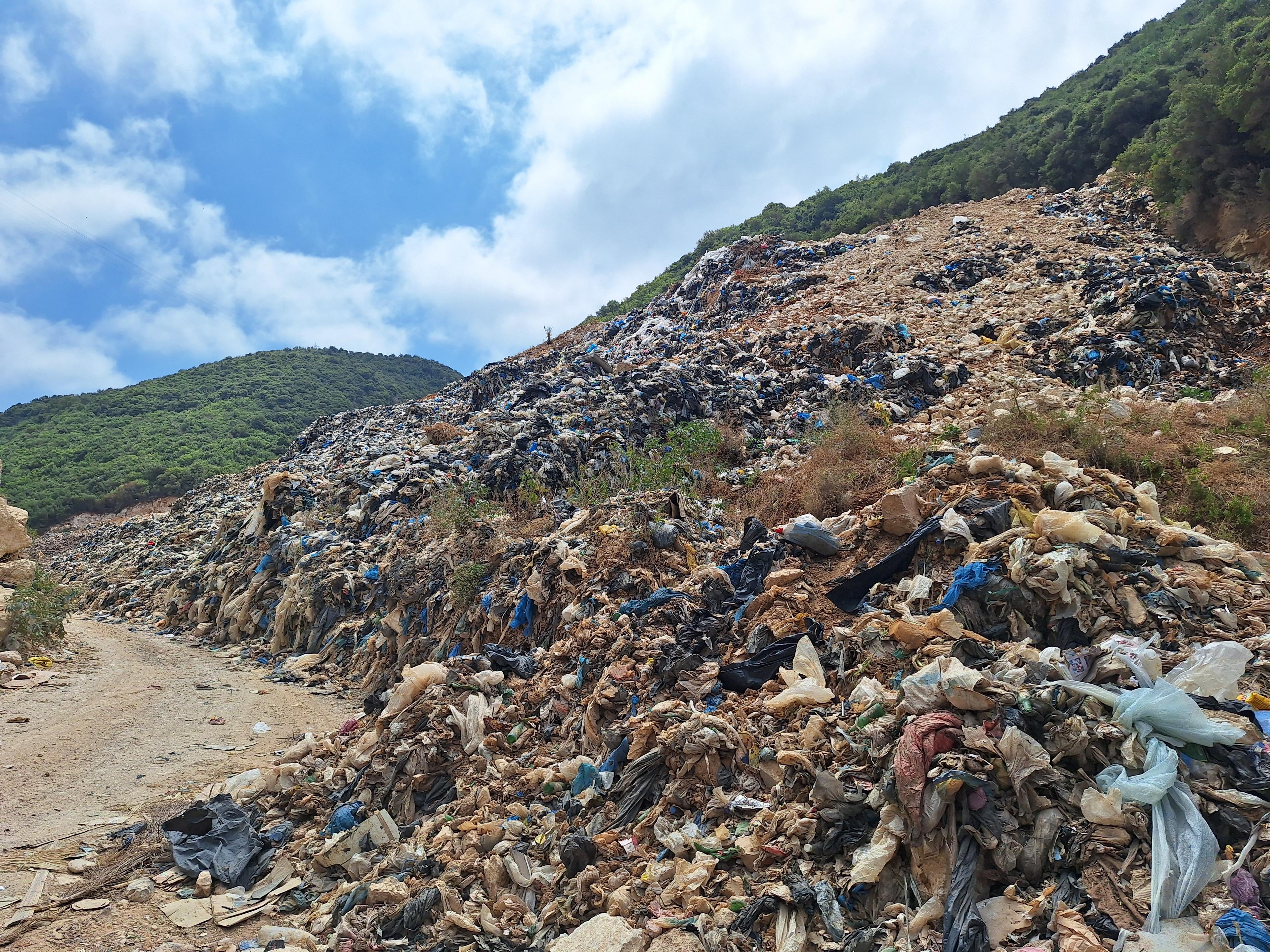
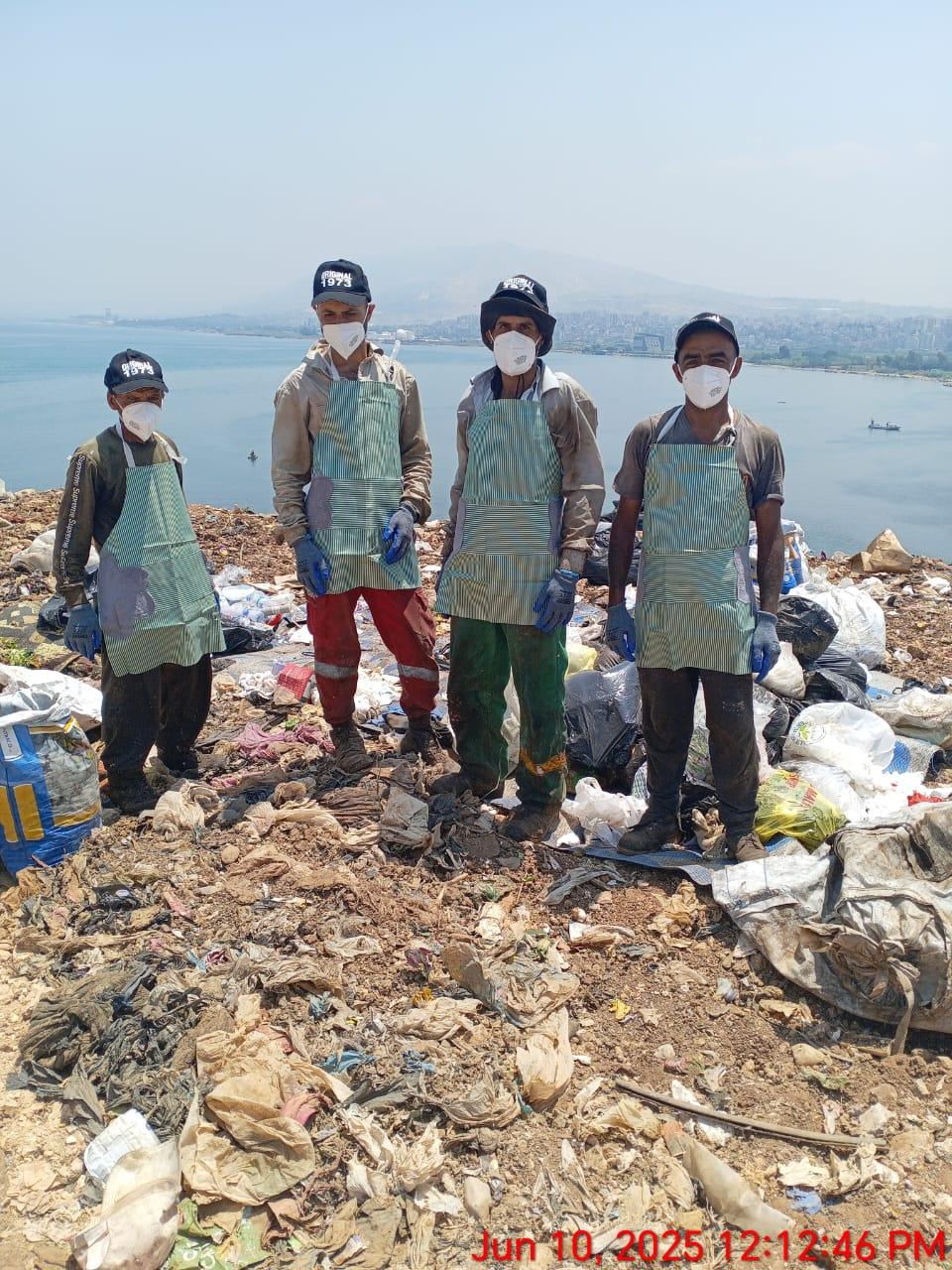
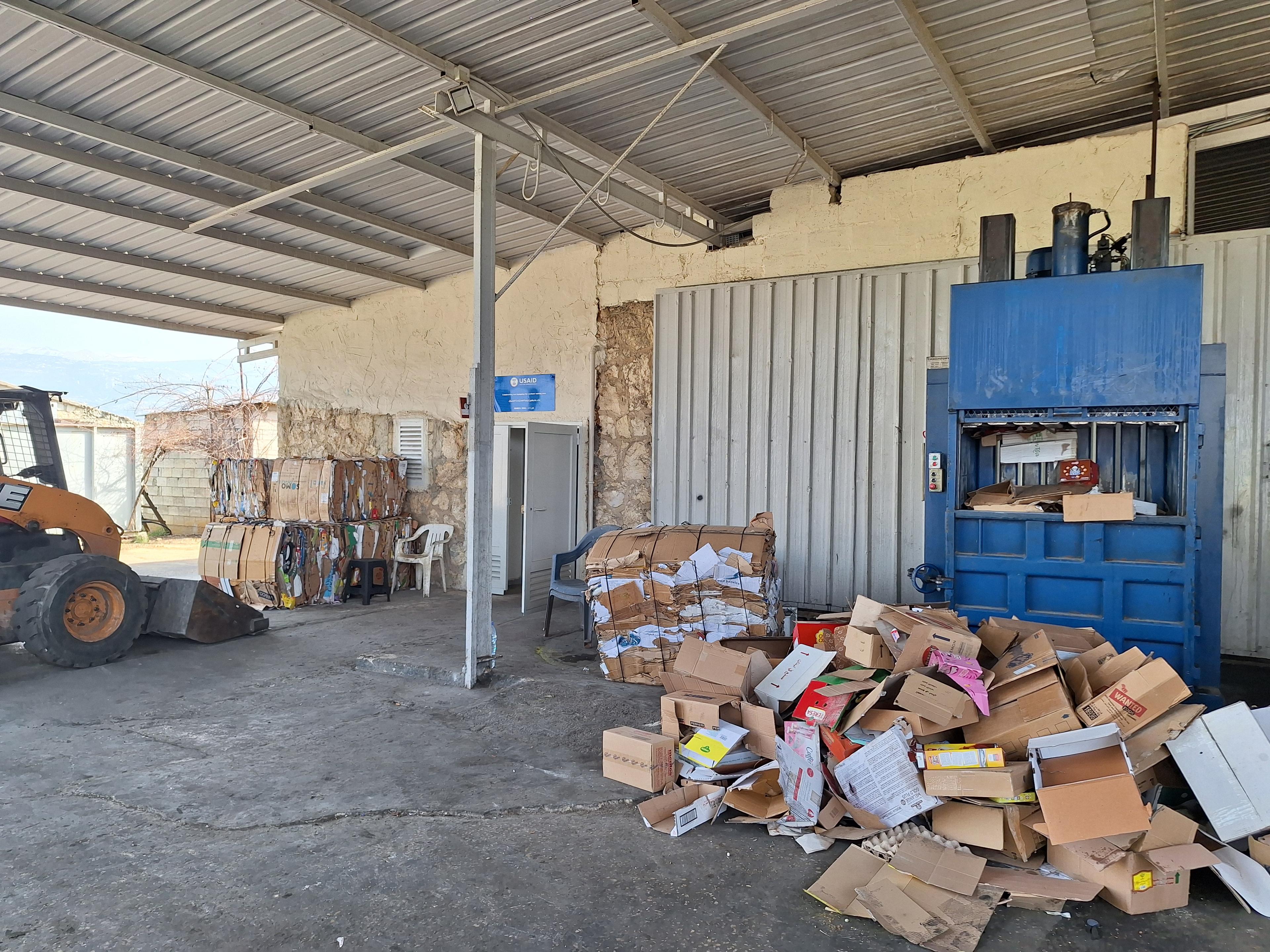
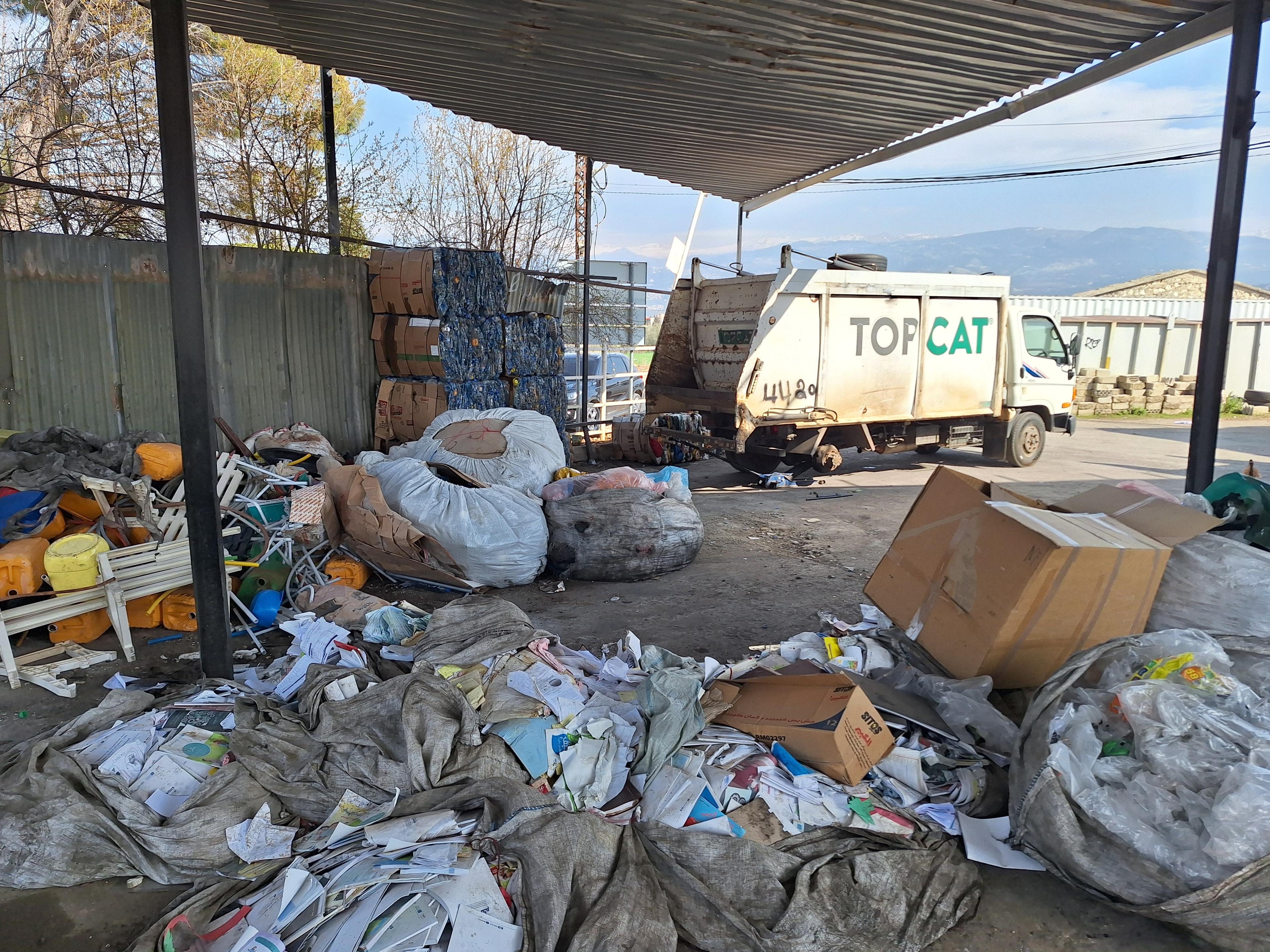
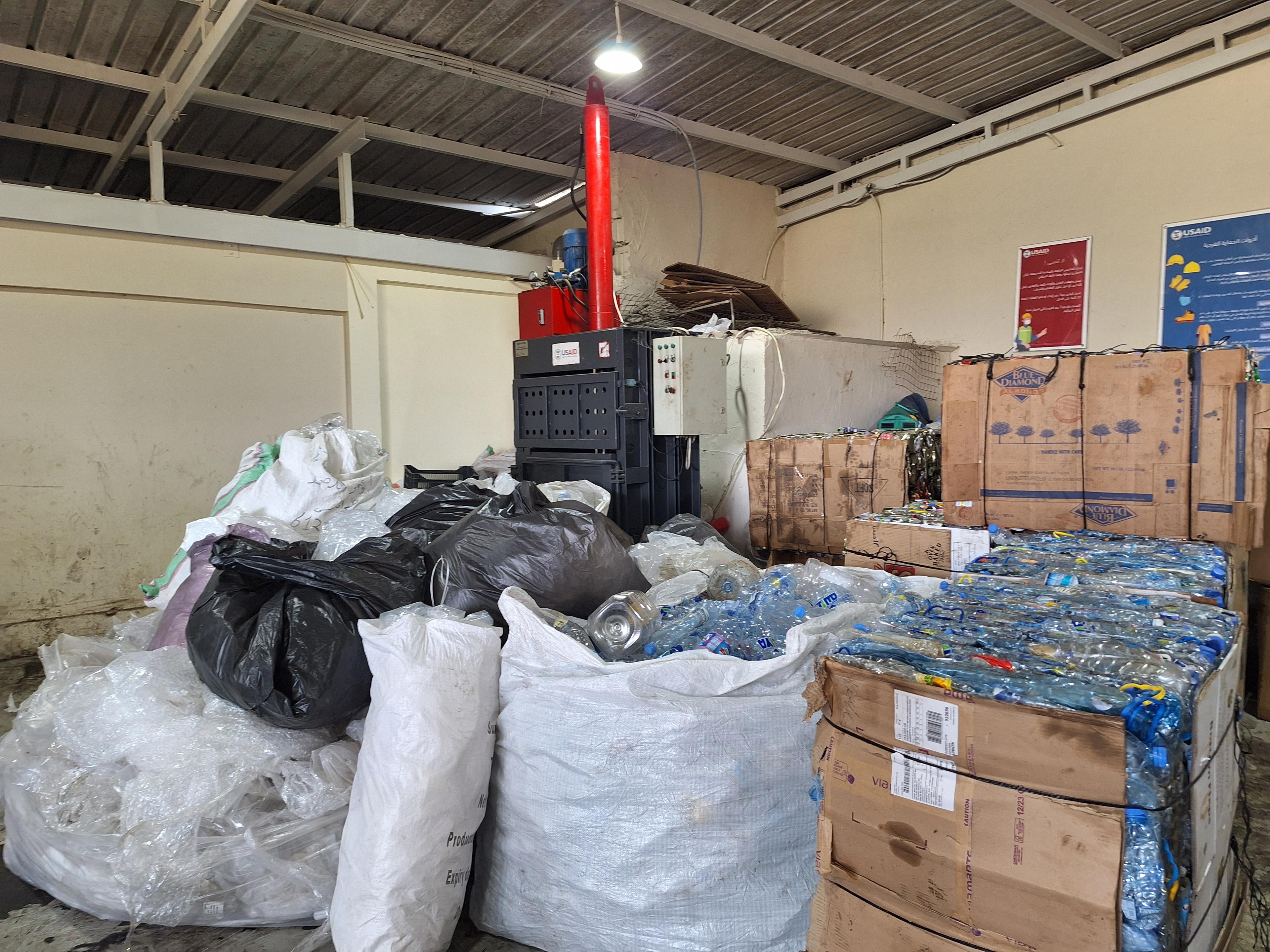
Each service zone received an assessment of waste characterisation, generation, composition, collection, treatment, disposal and plastic leakage, together with a Cost Recovery Plan, awareness and communication materials, and a monitoring and evaluation framework. Using UN-Habitat's Waste Wise Cities Tool (WaCT) and GIZ's Waste Flow Diagram (WFD), the work established an evidence base for improving waste services and reducing pollution.
The assignment delivered LOMPs for six coastal service zones covering approximately 3.1 million residents, with prioritised actions and financial models for 2025-2043. These plans support investment planning, financially sustainable waste services, improved resource recovery and targeted action to prevent land-based waste from reaching the Mediterranean Sea.